A restaurant operator recently told us something that stuck: "We want to integrate into our current website — things like online ordering, rewards — and be able to have data coming into something for marketing, as well as from dine-in guests. Fill the gap between just dine-in guests and marketing."
That gap is one of the biggest unsolved problems in the restaurant industry. And it is not a technology problem — it is a strategy problem. Most restaurants are not missing tools. They are missing a system that connects everything together.
The invisible guest problem
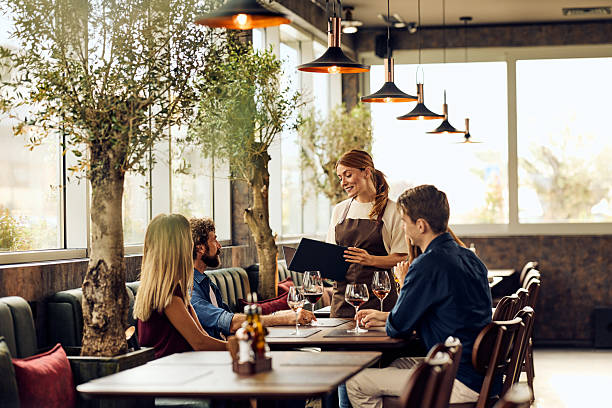
Think about what happens at a typical restaurant on any given night. Sixty people walk through the door, sit down, eat, pay, and leave. The food was great. The service was on point. But from a marketing perspective, those sixty people might as well have never existed.
You do not know their names. You do not have their email addresses. You have no idea how often they visit, what they typically order, or whether they have been in once or a hundred times. They are invisible to your marketing — and that means you have zero ability to bring them back on purpose.
Now compare that to an online order. When someone orders through your website or app, you capture their name, email, phone number, order history, and preferences. You can send them a follow-up offer, enroll them in a loyalty program, or trigger a win-back campaign if they go quiet. The difference is not the guest — it is whether your system captured the data.
Why adding more tools does not fix it
The instinct most operators have is to add tools one at a time. A loyalty app here. A separate email platform there. Online ordering through one vendor. A different system for in-store data. Maybe a CRM that someone set up but nobody really uses.
Each of these tools solves a narrow problem in isolation. But together, they create something worse than having no tools at all: data silos.
Your loyalty program knows who earned points, but not what they ordered online. Your email platform has a list, but it has no idea who visited last week or who is at risk of churning. Your POS tracks transactions, but that data sits in a spreadsheet someone exports once a month.
The result is that you are spending money on five different systems and still cannot answer the most basic question: who are my best customers, and how do I get them to come back more often?
What a growth engine actually is
A growth engine is not a single tool — it is a unified platform that connects every customer touchpoint into one system. POS transactions, online orders, mobile app activity, website visits, loyalty participation, in-store check-ins — all of it flowing into one place, building one customer profile per guest.
That unified profile is the foundation. Once you know who someone is — across every channel they interact with your restaurant — you can do something powerful: talk to them in a way that is relevant, timely, and personal.
A growth engine takes all of that data and feeds it directly into your marketing. Not in a "download a CSV and upload it somewhere else" way, but automatically. When someone places their fifth order, the system knows. When a regular has not visited in three weeks, the system knows. When someone joins your rewards program in-store and later orders online, the system connects the dots.
How it works in practice
Here is what this looks like when it is working:
A new guest walks into your restaurant and scans a QR code to join your rewards program. Now they are in your system. Two days later they place an online order through your website. The platform recognizes them and merges the data — in-store visit plus online order, same customer profile.
A week later, an automated campaign sends them a personalized offer based on what they ordered. They redeem it through your mobile app. Now you have three touchpoints, a clear picture of their preferences, and a direct line to reach them whenever you want.
Multiply that by thousands of guests, and you start to see the compounding effect. Every transaction, every interaction, every visit adds data that makes your marketing smarter and your customer relationships stronger.
This is not theoretical. Restaurants running this kind of unified system see measurable lifts in repeat visit rates, average order values, and customer lifetime value — because they are not guessing anymore. They are making decisions based on real behavior.
From anonymous diners to known customers
The shift that matters most is moving from a world where most of your guests are anonymous to one where most of them are known. Known customers are not just people with a name in a database — they are people you can reach, re-engage, and reward.
Every channel becomes an acquisition point. Your online ordering captures data automatically. Your mobile app deepens engagement. In-store QR codes, receipt-based enrollment, and WiFi login capture dine-in guests who would otherwise disappear. Your loyalty program gives people a reason to identify themselves every time they visit.
And once those customers are in your system, automated campaigns do the heavy lifting. Welcome sequences for new guests. Frequency builders for regulars. Win-back offers for lapsed visitors. Birthday rewards that feel personal. None of it requires you to manually send an email or remember who visited last Tuesday.
Stop guessing. Start growing.
The restaurant that inspired this article was not asking for a loyalty app or an email tool or a new POS. They were asking for the thing that ties it all together — the system that turns scattered data into a growth strategy.
That is what a growth engine does. It does not replace your existing tools. It unifies them. It captures data from every touchpoint, builds a complete picture of every customer, and turns that data into automated, personalized marketing that drives real revenue.
If you are running a restaurant today and feel like there is a gap between the guests walking through your door and your ability to market to them — you are right. That gap is the growth engine you have not built yet.